Speakers
Inês Órfão

Environmental Ethics and Sustainability at Sea
As marine traffic intensifies, ship strikes have become the primary direct anthropogenic threat to large whales. Beyond individual mortality, these collisions disrupt ecosystem equilibrium and remove species that are vital for carbon sequestration and climate mitigation. Balancing global commerce with marine biodiversity conservation presents a significant ethical challenge for the maritime industry.
The Atlantic Whale Deal (AWD) is an EU co-funded Interreg Atlantic Area project that addresses this challenge by developing long-term solutions tailored to the Northeast Atlantic region to reduce collision risk. The project is testing whale detection technologies and developing an interactive tool to assess collision risk, supporting its future implementation in the maritime industry. Ethical maritime stewardship requires transnational cooperation and active synergy between researchers, technology developers and industry stakeholders. In response, AWD is gathering stakeholder input on the feasibility and adoption of technological tools and navigation-based mitigation measures.
The adoption of these mitigation measures constitutes a dual success: it fulfils the maritime industry’s ethical responsibility to protect marine species while generating operational benefits through reduced vessel damage, lower navigational risk, and decreased associated costs. Ultimately, this collaborative approach strengthens the industry’s contribution to cetacean conservation and to the overall health of the global ocean.
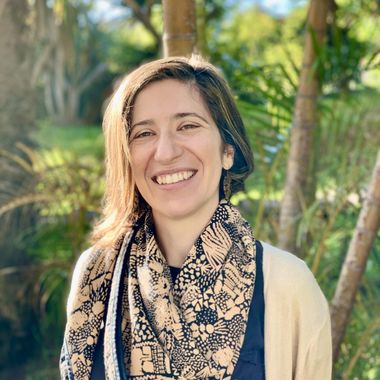
With a background in biology and environmental management, Inês Órfão has focused her career on species conservation, specifically regarding human-wildlife interactions. Her work is informed by years of research and a commitment to translating scientific findings into practical conservation tools, public awareness initiatives, and cross-sector strategies. As part of the project Atlantic Whale Deal dedicated to mitigating ship strikes with cetaceans and enhancing carbon sequestration in the Atlantic, she works with other researchers on the development of joint recommendations through direct collaboration between the key stakeholders and the scientific community. This goal involves facilitating the necessary synergies to integrate research-driven solutions into daily maritime operations and supporting the transition toward sustainable practices that balance industrial activity with marine preservation based on a shared responsibility.
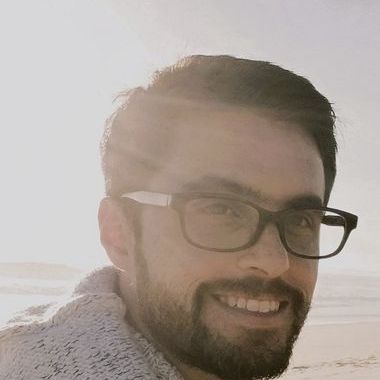
Adriano Lima is an R&D Scientist specializing in environmental fluid dynamics, sediment transport, and data science. He obtained both his MEng and PhD and previously served as an assistant professor at Hokkaido University, Japan, in the field of environmental hydraulics. His work spans several sectors of the Blue Economy, with contributions to strategic prioritization, as well as R&D&I projects in aquaculture, marine energy, ports, and maritime tourism. He is also Secretariat Member of the Marine Biodiversity Observation Network (MBON), and Developer at the Sustainable Blue Economy Partnership (SBEP). As part of the Atlantic Whale Deal Project, Adriano is leading the development of an interactive, web-based, data-driven application aimed at reducing the risk of vessel-whale collisions.