Speakers

Dr Thomas Beard Ph.D CEng FIMarEST
Prasad Gunawardena CEng CMarEng FIMarEST
Iain Gunn
Mike Robinson

Panel
This panel discussion will explore how ports and vessels can prepare for a rapidly changing future, examining the practical implications of climate adaptation, decarbonisation, and evolving environmental expectations. Panellists will discuss the future of port infrastructure and operations, investment priorities, regulatory drivers, and the emerging vessel designs and technologies needed to support a low-carbon maritime industry.
Bringing together expertise from across the sector, the session will consider how industry stakeholders can collaborate to build resilience, accelerate the energy transition, and ensure that maritime transport continues to play a vital role in a changing global environment. Attendees will gain valuable insights into the strategic decisions being made today to future-proof the ports and ships of tomorrow.
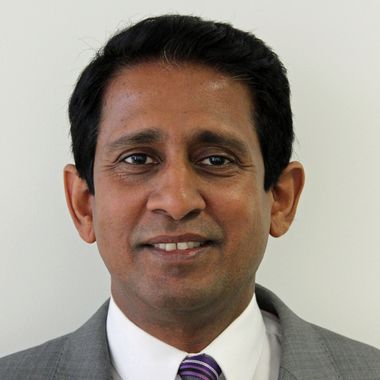
Prasad Gunawardena is Head of Maritime & Coastal Engineering and Maritime & Coastal Technical Authority at Binnies UK Ltd, part of the RSK Group. He is a Chartered Engineer, Chartered Marine Engineer and Fellow of IMarEST with more than 30 years of UK and international experience in maritime infrastructure, including ports, harbours, marine terminals and coastal engineering.
His expertise spans port master planning, marine terminal development, coastal engineering and climate resilience, with experience in the planning, design and technical assurance of container, Ro-Ro, LNG, oil and gas, dry bulk and multipurpose port facilities. He has led major multidisciplinary projects from feasibility and technical due diligence through to detailed design, technical assurance and construction-phase support.
Recent work includes leading a climate change impact assessment for Trinity House Harwich Pier, directing the multidisciplinary design of Associated British Ports' Immingham Eastern Ro-Ro Terminal, and providing specialist input to a proposed floating solar development in the UK. He brings a practical perspective on how ports and maritime infrastructure can adapt to climate change while supporting energy transition.
A Chartered Maritime Electrical Engineer with a Master’s degree and 19 years’ experience both at sea (4 years) & ashore (15 years) within Superyachts, Cruise Ships & LNG Carriers (inc. ARC7 Ice Class). This experience ranges through design, maintenance, refit, delivery, management and emergency collision repairs (including full processing of insurance claims through to trial preparation & eventual settlement), covering Azipod, PEM & X-DF propulsion, 4 & 2-stroke dual fuel engines, LNG Cargo systems, Electrical Automation & High Voltage Power Management systems, Navigation & Safety equipment as well as all other necessary ancillaries required on board and hull repairs.
Highly experienced in all forms of drivetrains used within commercial shipping, from the perspectives of specifying, designing, operating, maintaining, overhauling and modelling the various components, whether it is large 2-stroke slow speed engines directly driving propeller shafts, 4-stroke medium speed engines driving alternators for electrical power distribution, or even electrical propulsion motors (shaft & Azimuth designs). This includes intimate knowledge of switchboard layouts and control of the distribution networks, including emergency power generation & shore power supplies, and the understanding of inefficiencies & modelling the systems for optimisation.
Passionate about taking this solid background & understanding of the marine industry & driving it towards a sustainable future. The ambition is there, and the technology is emerging, so now is the time to focus on delivering sustainable solutions to the market, to ensure a cleaner environment for everyone. Pioneering & showcasing these technologies at the earliest opportunity is required to lead the maritime world towards the global 2030 & 2050 goals.