Speakers

Dr Alberto Morandi

Peter Wallace PE, CEng, CMarEng, FIMarEST

Panel Discussion
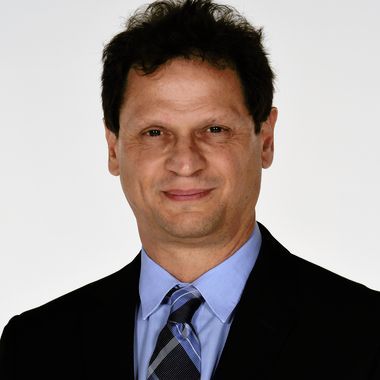


Bruce A. Strupp Jr. is Vice President at ABB, where he leads the company’s Marine Electrification new build business across the United States and Canada. ABB is a global leader in maritime vessel and port electrification and automation. With more than 30 years of experience in the global maritime industry, Bruce has held diverse roles spanning sales, propulsion and engine product development, strategy and business development, project management and ship operations. His broad technical and commercial background provides a unique perspective on the energy transition and digital transformation shaping the marine sector.
Before joining ABB, Bruce spent 21 years at Caterpillar Inc., building deep expertise in marine power systems and customer-focused solutions. Bruce is a graduate of the United States Merchant Marine Academy, where he earned a Bachelor of Science in Marine Systems Engineering. He previously held a Third Assistant Engineer’s License (unlimited tonnage, steam and diesel) and served in the United States Naval Reserve.