Explore Marine Career Pathways
Use the pathways below to explore specific roles in more detail, including what each career involves, how to get started, and how you can progress. You can also discover related roles and alternative pathways, helping you build a clearer picture of the opportunities available across the marine sector.


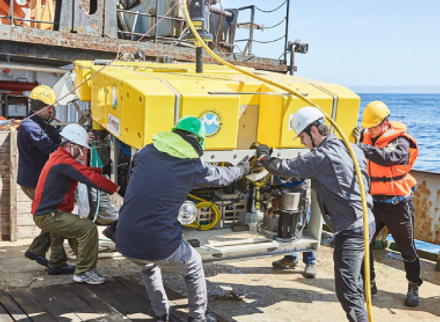

How to Start a Career in the Marine Industry
Starting a career in the marine sector can take many different routes depending on your interests, qualifications, and experience. Whether you are a school leaver, student, graduate, or career changer, there are opportunities to enter the industry through academic study, apprenticeships, vocational training, or on-the-job experience.
Many roles in marine engineering, science, and technology require a strong foundation in STEM subjects, but there are also pathways into areas such as operations, consultancy, and offshore support. By exploring different career pathways, you can identify the entry points that best match your skills and career aspirations.
Types of Marine Career Pathways
The marine industry is diverse and global, offering a wide range of career opportunities across multiple disciplines. Career pathways typically fall into key areas, including:
- Marine engineering and technical roles, such as marine engineer officers and offshore engineers
- Marine science careers, including academic research and consultancy
- Offshore and operational roles, such as remotely operated vehicle (ROV) pilots
- Shore-based careers, including project management, consultancy, and policy
- Career transition pathways, supporting professionals moving from sea-based to shore-based roles
Each pathway offers distinct opportunities for progression, specialisation, and mobility within the industry.
Skills and Qualifications for Marine Careers
The skills and qualifications required will vary depending on your chosen career pathway, but there are core competencies valued across the marine sector. These include technical knowledge, problem-solving abilities, teamwork, and a strong understanding of safety and environmental considerations.
In addition to formal qualifications, many roles benefit from practical experience gained through placements, internships, or industry training. Professional registration and membership with organisations such as IMarEST can also support career progression and recognition within the sector.
Marine Career Progression and Development
A career in the marine sector is rarely linear. Many professionals move between roles, sectors, or locations as they gain experience and develop new skills. Career pathways are designed to reflect this flexibility, helping you understand how to progress from entry-level positions to specialist or leadership roles.
Whether you are aiming to advance in your current field or explore new opportunities, continuous professional development is key. IMarEST supports this progression through resources, training, and professional recognition at every stage of your career.
Related Marine Careers and Further Resources
If you are still exploring your options, you may also be interested in learning more about specific roles within the marine sector. Visit our Marine Careers section to explore detailed career guides, including popular pathways such as marine biology and other science, engineering, and technology roles.
Explore our resources and opportunities

Marine careers
Discover some examples of varied and fascinating careers in the marine industry and the steps you need to take to succeed.
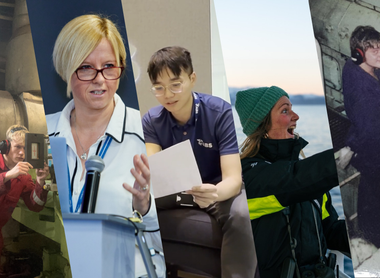
Sea Your Future Resources
Explore our collection of career stories that bring marine roles to life and give an insight into what it is like to work in our rewarding industry.

Learning
Online courses and resources for marine professionals at every step of their careers, providing an easy way for members to log their continuing professional development (CPD).
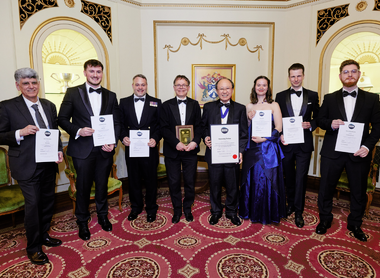
Awards & funding
We are committed to supporting lifelong learning, rewarding both those starting out in their careers and those at the cutting edge of new developments.