Career Story: Associate Professor of Naval Architecture
I’ve always been drawn to the water, enjoying boating, scuba diving, and just being out in the marine environment. That passion led me to study Marine Engineering and Naval Architecture at Webb Institute, where I discovered how much I enjoyed applying math and science to ships and boats.
After Webb, I went to Newcastle in the UK for further studies. While there, I noticed how isolated the U.S. maritime industry felt compared to the international scene. I wanted to understand more, so I took a role with a naval architecture consultancy outside Glasgow, Scotland, where I spent five years working on a range of projects. That experience opened my eyes to global practices and gave me a solid foundation in the field.
When I moved back to the U.S., I ran a one-person office for my then employer in New York, which focussed on repair and conversion of existing fleets. It was challenging work, and I loved being out in the field, solving real-world problems.
But academia was always in the back of my mind. I’ve always enjoyed sharing knowledge and mentoring others, and I got my first taste of teaching when I helped fill in a class at the U.S. Merchant Marine Academy at Kings Point. I found I really enjoyed it, and when an opportunity opened up at Webb, I seized it with both hands.
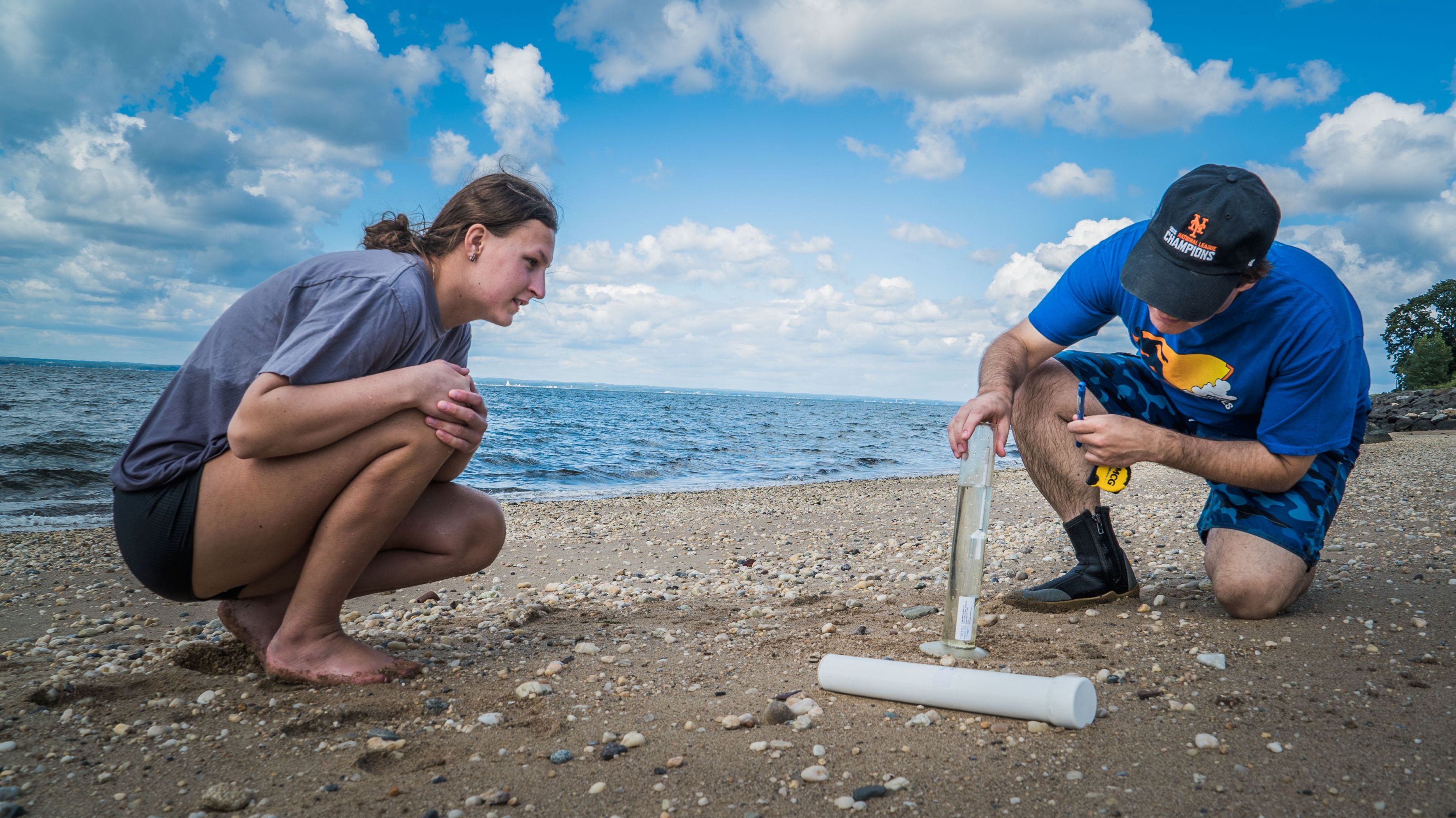
At Webb, I run a ship design course, organise shipyard visits, and mentor students regularly. I believe in learning by doing, which is a core concept at Webb. So much so, that Webb has a mandatory winter internship period where first-year students work in shipyards, second-years sail as cadets, and third or fourth-year students work in design and engineering offices. We even have an exchange program with Southampton. It’s important to me that students see how their learning connects to the real world.
One of the things I emphasise most is communication. It’s essential to convey your ideas clearly to clients, approval authorities, shipyards, and international teams.
I’m also deeply involved in sustainability efforts. With IMO 2050 and other regulations shaping the future, I make sure our students understand the importance of sustainable design. We host an annual sustainability conference, and I work with groups like MARIN and Wind Support NYC to expose students to emerging technologies and practices.
Beyond the university, I help run summer outreach programs that introduce school-aged students to maritime engineering. It’s a great way to create interest early and show them how exciting and impactful this field can be.
For me, the best part of this journey has been the ability to bridge industry and academia and help students see how their skills will shape the future of maritime engineering.