Career Story: Nuclear Safety Consultant
My career so far
I joined the Royal Navy straight from school and was streamed into the Submarine Service as a nuclear engineer. During my career I served in various sea-going and shore-based appointments before becoming chief engineer and then safety director of the Submarine Service.
During my naval career, I was also lucky enough to be the engineer officer of a frigate and spend some time supporting the Royal Marines. Four years after leaving the Royal Navy, I now work as an independent nuclear safety consultant.
My career highlight
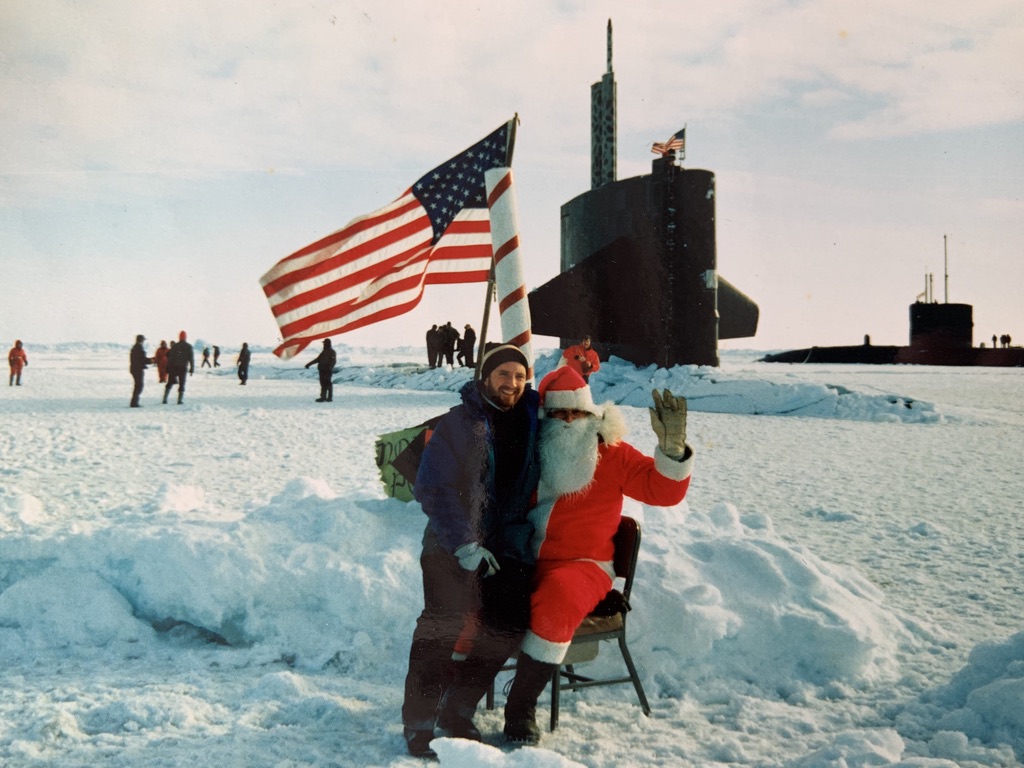
One of the highlights of my career was surfacing at the North Pole. There were many engineering challenges associated with the task, but through teamwork and determination we succeeded and reached a place that only a small number of people will ever see. As an added bonus, I got to meet Father Christmas in May!
My average day
No two days are quite the same. They often involve calls with people and organisations around the world, reviewing reports and submissions, and attending online meetings. I enjoy hearing different perspectives and learning from others.
Since leaving the Royal Navy, I have been fortunate to contribute to several significant pieces of work, including supporting Australia in establishing its nuclear submarine regulator and contributing to the development of UK fusion legislation.
My work also takes me across the UK and overseas in support of maritime and nuclear safety, and I spend time lecturing and championing both disciplines. Keeping active is also important to me, whether that is through open-water swimming, cycling, hill walking, yoga or gym sessions. My philosophy is not just to survive, but to thrive.
My biggest lessons
Looking back, there are several lessons that have stayed with me throughout my career. Success rarely happens by accident but usually requires hard work and resilience. Also, failure is always possible and often provides the greatest opportunity for learning.
I have also come to believe that you engineer your own luck by recognising and seizing opportunities when they present themselves. Finally, while experiences may not be unique, the way we respond to them is. That is often what shapes our careers.
My advice for the next generation
For those starting out, my advice is straightforward. Never stop learning. The day you think you know enough is the day you start becoming stale. Every day offers opportunities for development if you are willing to reflect and learn from your experiences.
I would also encourage anyone entering the profession to find a mentor. A mentor can provide support and perspective, and I have found the experience rewarding both as a mentor and as a mentee.
Professional registration (like becoming chartered) and fellowship through the IMarEST have also played an important role in my career. They provide independent recognition of professional competence and demonstrate a commitment to the profession. The credibility and confidence that this recognition brings should not be underestimated.