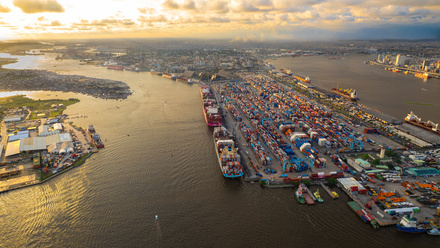
A busy year for IMarEST in Nigeria, with plenty of technical discussions, career building opportunities and the development of a new maritime academy in Lagos
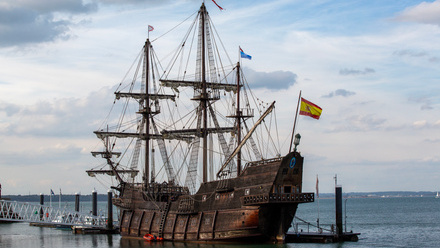
The hull of a 16th century galleon looks primitive and clumsy but the design prevailed for more than 200 years. What informed shipwright decisions, and was the design process so different to modern approaches?
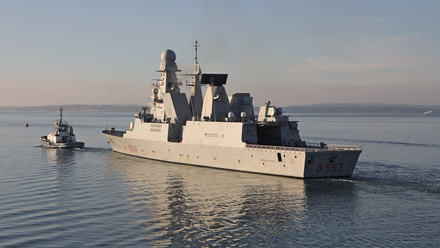
With the INEC/iSCSS conference just weeks away, we look at the forces reshaping naval engineering and ship control systems – from autonomy, AI and cybersecurity to energy transition, resilience and the changing role of the crew.
A structured framework that integrates safety-informed operational decisions into real-world energy optimisation could bridge the gap between theoretical models and practical engineering constraints
The Professional Review Interview may seem daunting, but candidates who reach this stage have already demonstrated their experience. Here’s what to expect – and how to prepare
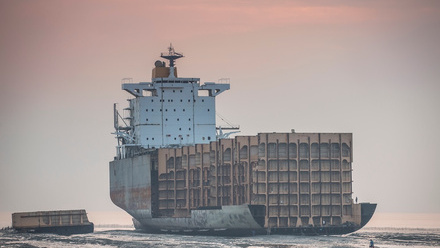
Critical ship documentation is often lost long before a vessel reaches the recycling yard, making safe and efficient dismantling harder than it needs to be. A Demolition Wallet could preserve the information recyclers need to support safer engineering decisions and more responsible end-of-life ship management.
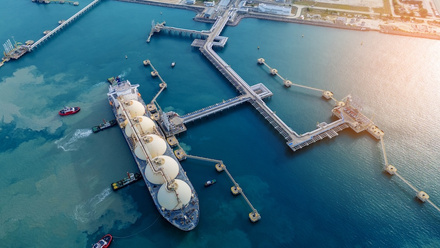
Choosing a maritime fuel involves balancing emissions, cost, compliance, risk and operational considerations. A structured decision-making approach could help owners navigate the options – while pressurised LNG offers an intriguing addition to the fuel mix
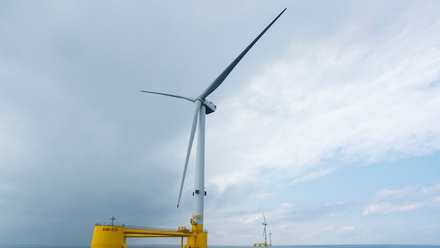
Triceratops, a platform design to solve issues confronting the ultra-deep water oil and gas industry, also shows promise as a novel solution to help harvest diverse sustainable energy sources offshore.
November 2026 sees the return of the IMarEST’s International Naval Engineering Conference and International Ship Control Systems Symposium (INEC/iSCSS). Here’s a taster of what's to come this Autumn...
The Pakistan Joint Branch (PJB), a joint IMarEST/RINA branch, is due to be revived while taking inspiration from the Aberdeen (Scotland) model. We explore how Syed Ahmed (CEng, CMarEng, FIMarEST), together with Jo Lewis of IMarEST, is supporting the revival based on its unique challenges
For Professor Deborah Greaves OBE (FIMarEST), the strength of the IMarEST lies in its breadth. As the Institute’s 123rd President, she wants to build on that multidisciplinary foundation to bring more people together around the marine challenges of the future
Michele Martelli, Associate Professor of Marine Propulsion Plant and Auxiliary Systems at University of Genoa, and recently appointed IMarEST Fellow, discusses how emerging professionals can prepare for an increasingly digitalised world
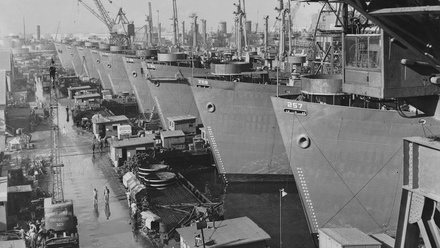
From welding issues with the Liberty Ships to the potential of agave as a sustainable fuel, we catch up with activities at IMarEST’s South Australia Branch
These important underwater meadows declined sharply over the past century but recent restoration projects reveal the potential and complexity of reversing these losses