Britain’s seafarers are disappearing
The UK’s seafaring community faces declining numbers, mounting welfare pressures and a growing recruitment crisis — raising concerns over the future resilience of Britain’s maritime industries
Stand on almost any UK coastline, and you are facing the edge of the nation’s history. The sea has shaped the UK's identity, its economy, and its communities for centuries.
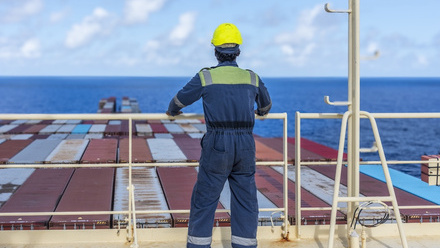
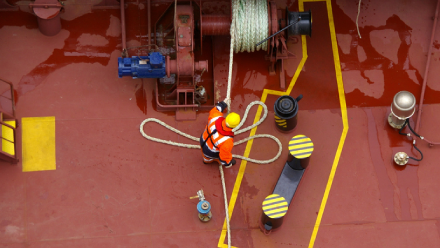
Today, the UK's seafarers can be found in shipping, working in leisure and tourism, fishing, in defence, and more. Yet for the most part, these people are largely invisible to society. But out of sight does not mean out of trouble. Globally, there is a growing seafarer shortage, and a recent report from the Maritime Charities Group shows the UK is not immune.
A declining community
The report, Seafarers 2040: Understanding UK Demographics and Welfare Needs, outlines that the UK's seafaring community, comprising active seafarers, retirees, and their families, could fall from some half a million people today to just 300,000 by 2040. In a worst-case scenario, that figure could drop as low as 131,000.
Homing in on the active workforce, estimates suggest that the current 35,000-strong UK workforce could fall to somewhere between 33,000 and 23,000 by 2040. Some of this decline can be attributed to experienced seafarers retiring and some to people exiting the sector for other opportunities. Regardless of cause, not enough people are coming into the sector to replace the losses.
“These declining numbers should be a wake-up call for government and industry alike. If there is no action, the UK risks not just a workforce crisis but a fundamental erosion of its maritime capability. And if our workforce is to thrive, it is vital that the sector benchmarks people against the highest standards, which is why investing in people and professional registration remains vital,” says Chris Goldsworthy, Chief Executive of the IMarEST.
Life at sea
There are many reasons why seafarer recruitment and retention are struggling, and the Maritime Charities Group’s report points to several of them.
To put it simply, life at sea is not necessarily a pleasant experience. Some 40% of the seafarers surveyed for the report said they don’t get enough sleep while onboard. A similar proportion said they believed their vessel is unsafe due to insufficient crew. Around a third said they don’t receive enough shore leave – a right enshrined in international law under the Maritime Labour Convention.
Seafarers also reported high stress, declining mental health, poor living conditions, and bearing training costs while salaries stagnate and benefits are cut.
Hidden support
The report highlights a significant gap in industry-led welfare provision for seafarers globally, with support falling to charities. Although not deeply explored in the report, this does raise a broader question about why seafarer welfare depends so heavily on charitable provision.
Maritime welfare charities may offer financial assistance, mental health support, legal advice, and social connection for current and former seafarers, as well as their families. However, they are operating under substantial funding and resource constraints. This not only limits the services and support they can provide but may also help explain why their visibility among the seafaring community is low.
Many seafarers and families were unaware that charity-led support existed, let alone were eligible for it. This problem, the report notes, may be particularly acute for those in hospitality and leisure roles, who may not realise they are classified as part of the maritime workforce.
What needs to change
With myriad pressures facing the UK’s maritime communities, there is no simple fix. Nevertheless, the problem is not insurmountable, with the Maritime Charities Group making several practical recommendations.
Those include charities improving their visibility, adapting their services, and considering collaborating and consolidating. Both government and industry need to work on improving seafarer safety and welfare, including enforcing shore leave rights. Population data from across the maritime community needs to be collected systematically.
"As an ex-British seafarer, I believe the UK has a choice. Either continue to take seafaring communities for granted and watch them diminish, or invest in them properly and secure their future,” says Goldsworthy. “This report makes clear that the window for making that choice is narrowing."
Tell us what you think about this article by joining the discussion on IMarEST Connect.
Image: Ferry workers, Scotland. Credit: Shutterstock.