Post-Pandemic Rebound: IMarEST’s South Australia Branch
From welding issues with the Liberty Ships to the potential of agave as a sustainable fuel, we catch up with activities at IMarEST’s South Australia Branch
There’s renewed impetus at the IMarEST South Australia Branch – including hosting more joint events with local colleagues from The Royal Institution of Naval Architects (RINA) – as it continues to rebound from disruption caused by COVID-19.
Prior to the pandemic, activities had been regularly planned by a joint committee of the organisations but COVID brought an end to that, says branch secretary John Garvey.
“As a result, we lost momentum and interest from our membership,” he says.
This is now changing. “So far this year we have hosted joint technical meetings with RINA in March, April and June,” says Garvey. “We continue to explore opportunities as resources will allow us to progress. We are Australia’s national hub for defence naval engineering and marine science research and education. We therefore try to focus on these industries to gain membership and provide topics of interest to gain more participation in our events.”
One such recent joint event was the Liberty Ships Breaking In Half presentation, delivered in April by Weld Australia’s director of engineering Simon Doe. A Branch write-up of the presentation noted few in the audience had previously heard of such vessels, which were built “in a hurry” to transport supplies, troops and munitions during WWII – “primarily by women with limited welding skills and training”.
“They suffered many issues, not only from the enemy but from catastrophic structural failure due to hydrogen cracking and brittle fractures of hull and superstructures,” states the report. “These structural failures highlighted significant challenges faced in marine welding practices at the time. Lessons that were learnt from these incidents have played a significant role in shaping modern approaches to marine welding.”
According to Doe, 2,710 Liberty Ships were constructed in an astonishingly short period. The first, Patric Henry, took 244 days to construct while the Robert E Peary was completed in four days, 15 hours and 29 minutes – mass production was born.
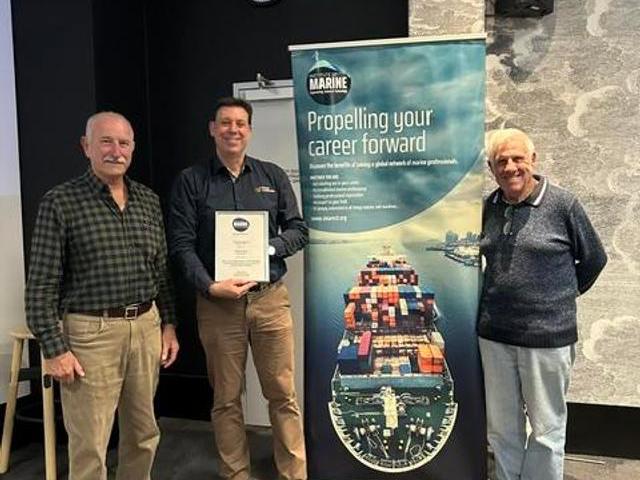
“Simon presented an excellent slide show to support his presentation and took a lot of questions from the floor of the 35 attendees on the night,” says Garvey.
The most recent technical meeting of the Branch – which has over 50 members – was the Agave to Sustainable Fuel event in June, presented by Professor Rachel Burton of Adelaide University and Goodfellow Agave founder and operator Jane Goodfellow.
With Australia facing so many changes, from the climate to AI, the session considered how this hardy succulent could potentially feature in renewable fuels, animal fodder and local building materials.
“Following our June meeting, we will have an expert in marine algae from the State Government to discuss a recent outbreak of toxic algal bloom that has devastated our marine food industry and others reliant on the marine environment for a living,” says Garvey. “The bloom made a lot of people sick in addition to a massive kill of marine life and the subject is of great interest to our marine science and engineering members.”
In December, the branch hopes to have a visitor from IMarEST in Adelaide. “We will try to host an event should this occur. This is early planning and very dependent on whom will be visiting.”
All six IMarEST Branches in Australia operate autonomously, but had previously come together – along with neighbouring country Branches – under governance of the Australian, New Zealand and South Pacific (ANZSPAC) Division.
“The Division was abolished – it has been a detrimental move to the IMarEST in my opinion,” says Garvey. “I was the last president of the ANZSPAC Division and had spent many years on the Division Council and got a good feel for the views and opinions of each of the Branches. The challenges for each Branch are the same, as I have surveyed the regional Branches to get some idea as to how they are progressing.”
Tell us what you think about this article by joining the discussion on IMarEST Connect.
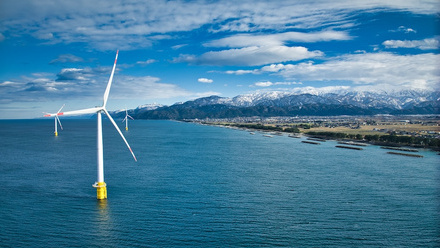
Main image: Liberty ships. Credit: Shutterstock
Inline image: “Liberty Ships Breaking In Half” presenter Simon Doe flanked by IMarEST South Australian Branch member Brian Johnson and chair Maurice Berry. Credit: IMarEST South Australia Branch