Our technical voice at the IMO matters
As the global maritime sector navigates an increasingly complex regulatory landscape, the IMarEST continues to play an active role in international policy discussions through its engagement with the International Maritime Organization (IMO). This World Maritime Day, the IMarEST’s Priya Sharma, explains how our members help shape international maritime policy that works in practice.
Through the expertise of our members, the Institute contributes independent technical and scientific insight to discussions at the IMO that help shape the future direction of international shipping.
From environmental protection and vessel safety to the adoption of emerging technologies, decisions taken at the IMO have far-reaching implications for the maritime sector. Member states at the IMO vote on these matters, but they often need technical advice to help them with their decision making.
For this reason, we are among several expert organisations to hold consultative status at the IMO, which means we have seats in the IMO’s chamber and can submit technical guidance to member states.
This creates an opportunity for our membersto contribute to global policymaking at the IMO, ensuring inputs are technically sound and that policy designs chosen are practical for the maritime sector to follow. Members can join IMarEST delegations to the IMO and can attend meetings in-person or online.
These contributions are overseen by the IMarEST’s technical and policy team, Technical Leadership Committee (TLC), and the Institute’s permanent representative at the IMO. Central to this work is the Institute's network of Special Interest Groups (SIGs). SIGs are member-led communities that bring together professionals with shared interests and expertise across fields such as shipping, marine science, offshore energy, environmental stewardship and technology.
For many members, SIGs provide their first opportunity to engage with issues beyond their immediate professional role, offering a forum to discuss emerging challenges, exchange knowledge and identify areas where the Institute can contribute to industry debates.
The SIG structure also provides the foundation for much of IMarEST's policy engagement. As topics arise for consideration at the IMO, relevant SIGs can draw on their specialist expertise to examine proposals, highlight practical implications and identify emerging evidence. Where issues span multiple disciplines, the Institute can bring together perspectives from across several SIGs, creating a balanced and informed view that reflects the breadth of the maritime profession.
This collaborative approach is strengthened by the active participation of members working throughout the sector. Practising engineers, scientists, technologists and maritime professionals contribute current operational experience alongside technical and academic knowledge. As a result, IMarEST can provide input that is technically robust and grounded in the realities of implementation across the industry.
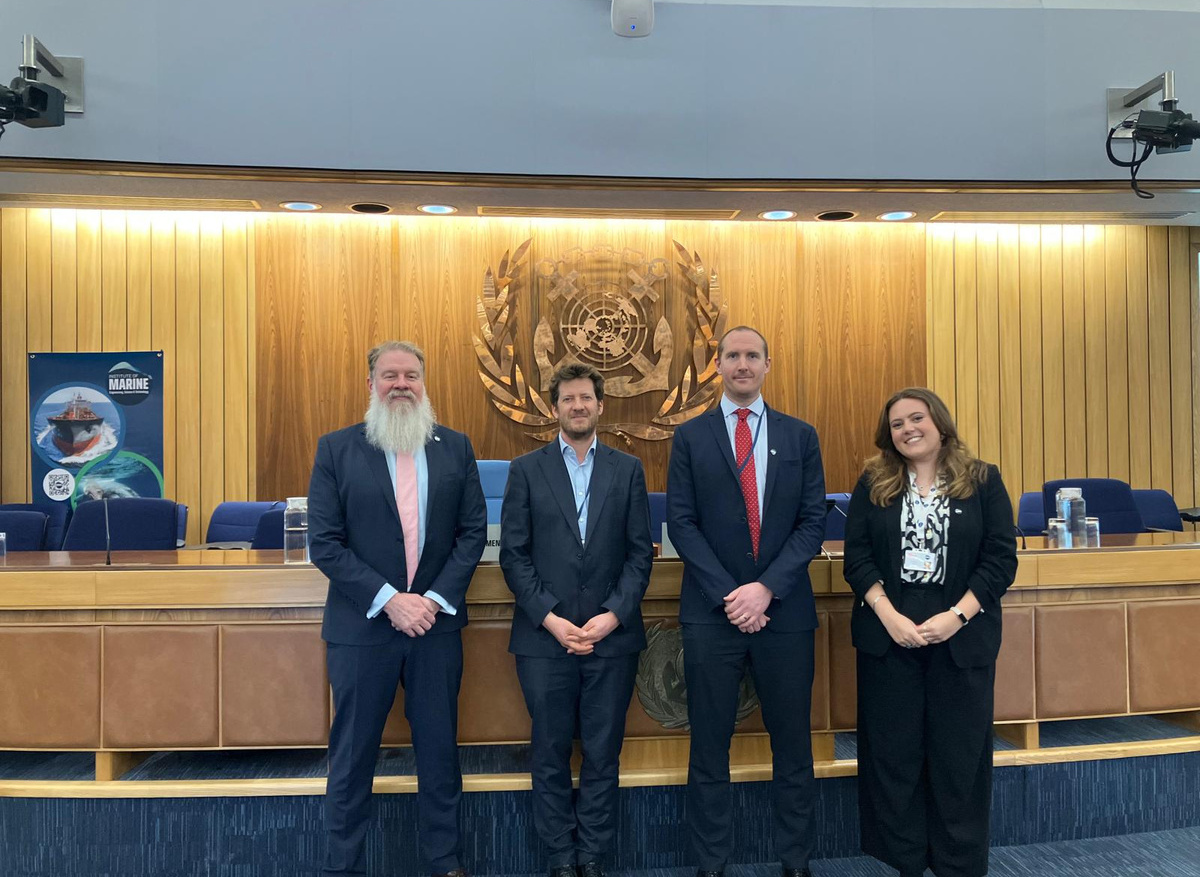
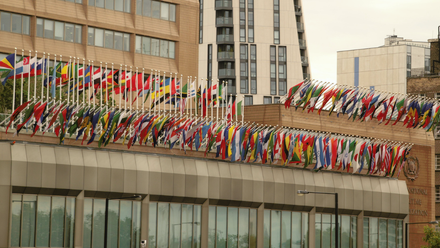
IMarEST delegations present at the IMO
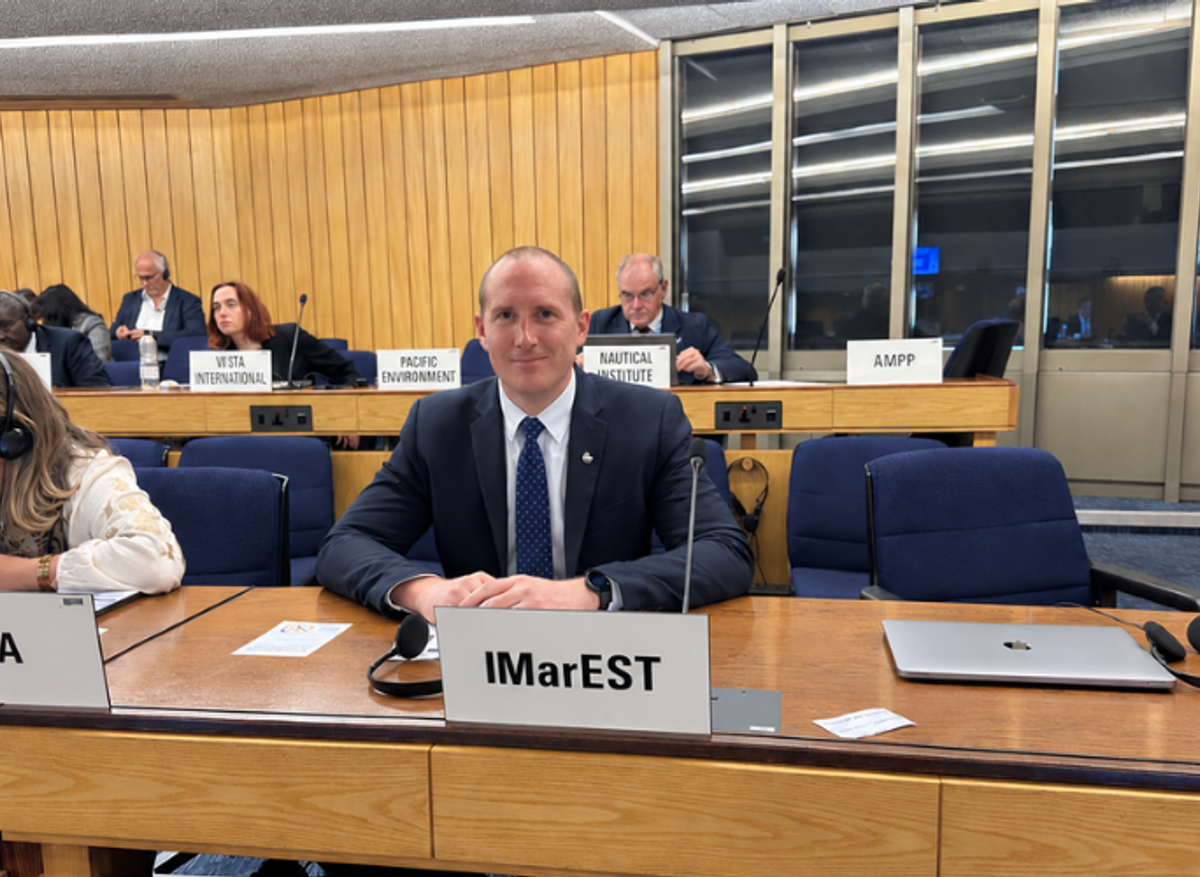
Alasdair Wishart, IMarEST technical and policy director at our desk
The value of this approach can already be seen in the Institute's ongoing IMO work. We’ve contributed to regulation and debate on subjects as diverse as enclosed spaces, decarbonisation, Maritime Autonomous Surface Ships (MASS), biofouling management, NOx emissions, and engine room safety.
The impact of our work can be seen across a range of IMO initiatives. Members continue to support discussions on the Net-Zero Framework, providing technical insight and modelling to help inform decision-making. We have also contributed to discussions on engine room safety, helping to ensure that new proposals are practical and effective for those working at sea, and our expertise has supported the development of the latest NOx Technical Code. Elsewhere, our ongoing research into enclosed spaces continues to support efforts to improve safety across the maritime sector.
But with AI, autonomous shipping, and cleaner fuels becoming wide-spread in our sector, there are sure to be many new regulatory challenges in the coming years. So, if there is an issue you believe deserves greater attention at the IMO, we encourage you to get involved and share your expertise.