Why maritime must act now on Intelligent Transport Systems
Despite growing digitalisation, maritime still lacks the integrated systems that other transport sectors rely on, says IMarEST member Tim Morris, senior engineer at Arup UKIMEA. Here he argues that ports and shipping remain vulnerable to delays, inefficiencies and emissions because technologies operate in isolation, and explains how Intelligent Transport Systems (ITS) thinking, or Maritime ITS (MITS) can make a difference to the sector.
Our planet and oceans are under strain. In recent times, they have absorbed around 90% of excess heat from rising greenhouse gas emissions, while marine and terrestrial ecosystems have captured roughly half of human CO₂ emissions. These ecosystems are vital, yet increasingly fragile and their decline underscores the urgent need for all sectors to decarbonise, shipping included. As the maritime sector faces growing disruption from climate shocks, geopolitical tensions and economic volatility,the question becomes whether we can use technology not just to move goods efficiently, but to build resilience and sustainability into the system.
A connected future
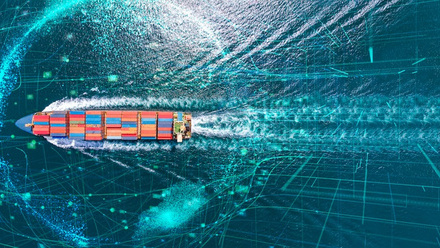
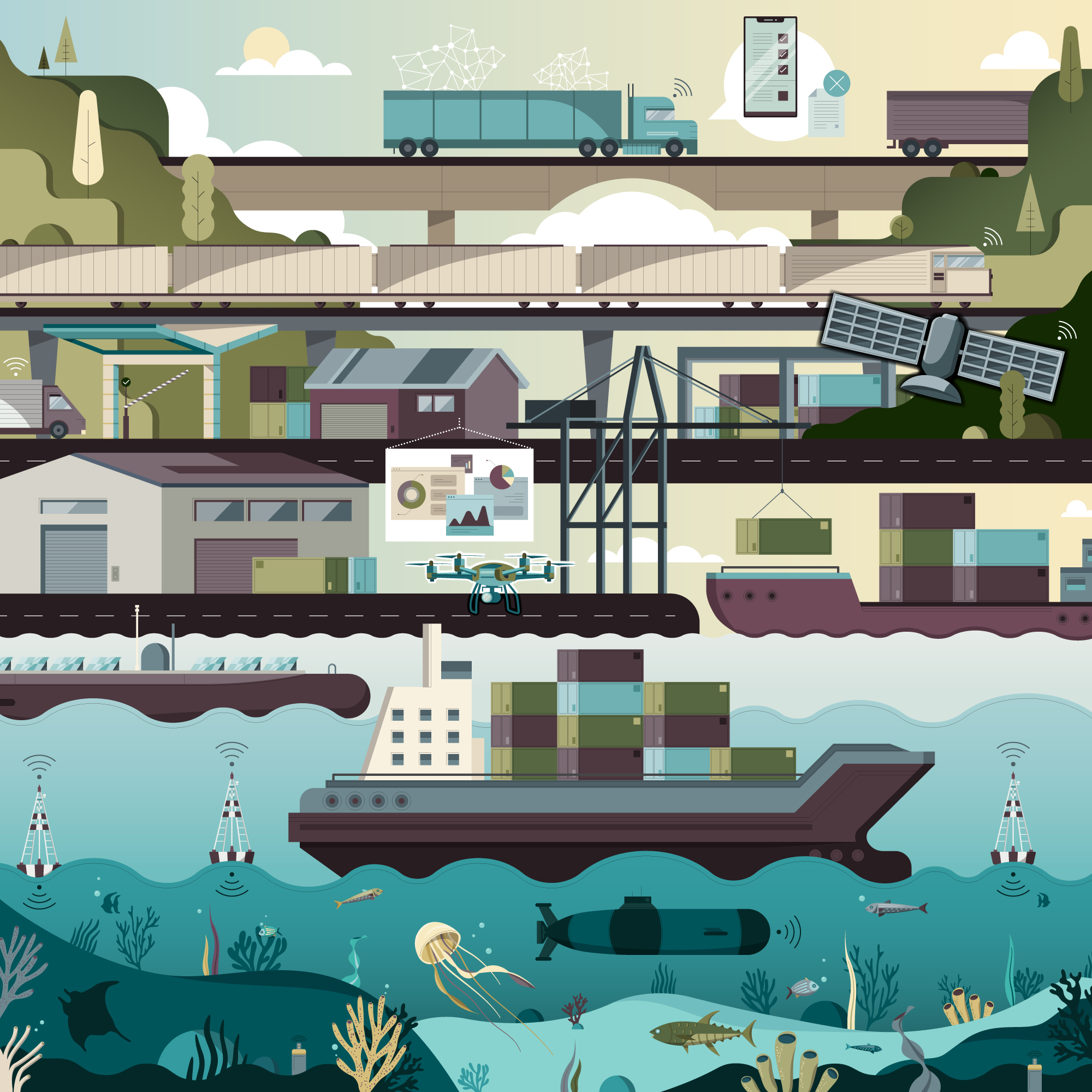
MITS is not a single app or platform, it is a connected digital architecture – a system of systems that enables technologies to communicate, share data and coordinate decisions. We can think of it as a common language for data, closing knowledge gaps, enhancing understanding and improving visibility between ships, ports and logistics. The result is smarter, efficient and safer maritime activity.
The benefits are clear and measurable. Studies show synchromodal systems – where real-time data, advanced algorithms and multi-modal transport options are combined – can reduce road transport costs by 35.5%, shortening terminal waiting times by 37.7% and improving overall efficient by 33.3%. For maritime, MITS means fewer queues at anchor, smoother cargo transitions and lower emissions. Adaptive voyage speed optimisation alone can cut emissions by 14%. These gains matter when the industry faces mounting pressure to decarbonise and comply with environmental regulations.
Digital transformation for maritime resilience
Building resilience is no longer optional; it is the foundation for a sustainable maritime industry and the key to protecting marine ecosystems. MITS enables real time coordination, helping operators anticipate storms, reroute cargo and manage disruptions caused by global conflict or sanctions. Greater resilience leads to a more sustainable shipping industry, which in turn supports socio-economic stability and protects habitats such as coral reefs, mangroves and seagrass beds. These ecosystems are interconnected, each supporting the other and the communities that depend on them.
Balancing profit and planet in the blue economy is essential. By providing the digital infrastructure to connect physical infrastructure with precise operational management tools, MITS extends sustainability benefits beyond ports and shipping. It creates opportunities for better environmental monitoring and faster responses to risks. For example, deployment of MITS in green shipping corridors could accelerate agreements to reach net zero carbon goals by reducing energy use while improving economic efficiency.
Harnessing MITS to better understand our oceans gives operators the insight to balance commercial activity with environmental stewardship. Beyond compliance, it helps meet decarbonisation targets without sacrificing profitability.. Cruicially, it equips the sector to adapt swiftly to changing conditions, keeping operations efficient and resilient.
Technology is ready. Satellite connectivity at sea and advances in machine learning make it possible to create a flexible, responsive maritime network. The strategic effort to implement MITS would bring new intelligence to operations, allowing shipping to function at the edge of optimisation and adapt quickly when conditions change.
The promise of tomorrow
Evidence from global ITS implementations show measurable improvements in safety, efficiency and environmental performance, with reductions in travel times, emissions and emergency response times ranging from 10-70%. For maritime, the ability to synchronise traffic and maintain smooth operations during challenging conditions can cut time at anchor and improve coordination with landside terminals and trucking.
Balancing profit and planet in the blue economy
The maritime sector cannot afford to wait. Disruption is rising, and the need for environmental compliance is urgent. Intelligent Transport Systems offer a practical path to efficiency, resilience and sustainability. They also provide a way to balance profit and planet, ensuring that commercial marine activities do not come at the expense of fragile ecosystems. The maritime industry must act now, before unpredictability becomes the norm.