Graduate Empowerment: how legal training can improve safety at sea
Maritime law is standing up for safety in Africa with help from Lloyd’s Register Foundation. John Bensalhia reports
Lloyd's Register Foundation has been working to improve maritime law in the regions of Kenya and Nigeria. Two graduates from the IMO International Maritime Law Institute have helped to provide better maritime safety in their respective communities, using legal channels to implement the relevant rules and regulations to safeguard the industry.
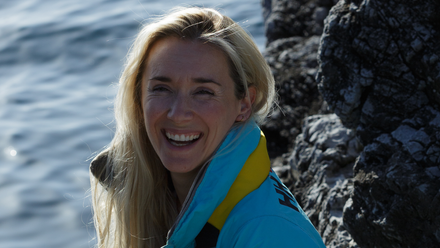
Principal State Counsel at the Office of the Attorney General and Department of Justice, Ashley Toywa, for example, has helped to improve safety standards of Kenyan shipbuilding, which has, in the past, fallen short of today's health and safety expectations. The construction of smaller vessels had failed to come up to the relevant standards, with some boats lacking an adequate life-saving kit in case of emergencies. Other issues with Kenyan boat construction included concerns over pollution control, communication and reporting systems and regulatory gaps. Bearing in mind that small-scale fishing in Kenya is one of the busiest industries, tightening health and safety standards was of paramount importance.
To that end, specialised maritime lawyers and local courts implemented laws to keep boat operators safe. Toywa explained that local fishing communities need the support of maritime lawyers. “My department has partnered with Kenya Shipyards Limited to help fishing communities access safer boats.”
With support from Lloyd's Register Foundation's fellowship programme, Toywa trained at the IMO International Maritime Law Institute in 2023. Using the necessary knowledge, skills and training, Toywa has since helped to boost safety levels for Kenyan fishing communities, with the help of the Office of the Attorney General and Kenya Shipyards Ltd. Kisumu-based shipbuilders have designed bespoke vessels that not only include the required safety kits, but are also built with greater stability and stronger hulls. The project has been paid for by county governments, with local community beach management units working in tandem with shipyards to – as Toywa pointed out - “pool their resources to purchase them.”
The relevant steps have also been put in place to boost protection for local boat users. As well as reporting systems being used to observe and note instances of pollution, clearer standards are now being followed. Toywa added, however, that implementation of these laws “requires education, inspection capacity and community engagement, so that rules change behaviour as well as standards.”
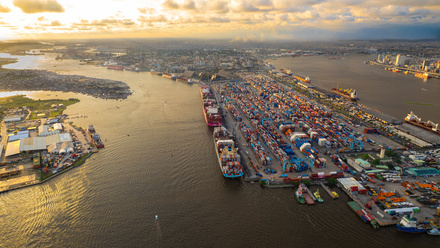
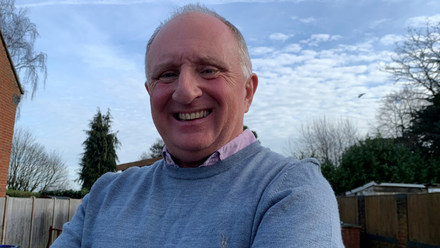
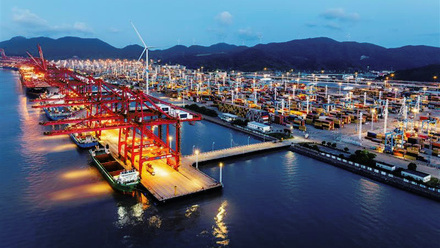
Having graduated from the IMO International Maritime Law Institute with two master’s degrees specialising in marine safety law in 2012, Ahmad Yakubu Wanka is now General Manager of Regulatory Services for the Nigerian Ports Authority. With over 90% of goods traded in Nigeria passing through its ports, Lloyd's Register Foundation says that his work has concentrated on “updating outdated policies and moving the focus from revenue collection alone to safety, trade facilitation and regulatory clarity.”
Discussing his current job and the qualifications gained at the IMO International Maritime Law Institute, Wanka explained that “deep and effective legal knowledge” is needed to deal with these issues. “It was at IMLI that I was able to gain the knowledge and skill of the common legal tradition and the ability to deal with issues as they come.”
Commenting on graduates such as Ashley Toywa and Ahmad Yakubu Wanka, Tim Slingsby, Director of Skills and Education at Lloyd's Register Foundation and IMLI Governing Board member, explained that maritime industries are “traditionally known to be some of the most hazardous on the planet”, with seafarers and fishing professionals bearing “the brunt of harsher climates and rising seas, often without the protections needed to keep them safe.”
“Graduating from IMLI has empowered Ashley Toywa and Ahmad Yakubu Wanka to use legal channels to better safeguard those whose work is relied on by thousands, if not millions, and improve standards for this and the next generations of maritime workers.”
Tell us what you think about this article by joining the discussion on IMarEST Connect.
Image: Apapa Port Complex, Lagos, Nigeria Credit: Shutterstock