Marine heatwaves: a threat to healthy seas
In June 2023, the UK experienced an exceptional Marine Heatwave (MHW) when sea surface temperatures around the British Isles reached record levels for that time of year, an event of such intensity rarely seen outside the tropics and the Mediterranean. Caroline Rowland, head of ocean, cryosphere and climate, at the UK Met Office explains the causes and effects of these ever-increasing phenomena.
A Marine Heatwave is a prolonged period of relative extreme temperature for a particular region and season. They are caused by a combination of long-term warming seas and short-term weather patterns (which are also influenced by climate change). MHWs are part of a wider climate trend which means they may become the norm in future decades. MHWs are most easily measured on the sea surface using satellites, but they can also extend into subsurface layers of the ocean right down to the seabed, where they can have deeper impacts on ecosystems
Since June 2023, MHWs occurred in UK seas during 2024 and 2025 and, UK and European seas have experienced persistent and at times extreme MHWs throughout 2026. These are not just local events. Globally, the ocean experienced its warmest years on record in 2023 and 2024 and 2026 is looking to be even hotter as sea temperatures have been continuously record-breaking since mid-June.
This is not surprising as around 90% of the excess heat trapped by greenhouse gas emissions is absorbed by the ocean. This continuous ocean warming makes extreme marine temperature events more frequent, long-lasting and in some regions more intense.
Marine heatwaves are a recognised climate hazard that threaten the health of our seas particularly when combined with other climate hazards such as ocean acidification and deoxygenation. Many countries and communities across the world rely on healthy, biodiverse seas for fisheries, aquaculture and tourism and these are being put at risk by warming seas and increasing frequency and intensity of extreme events.
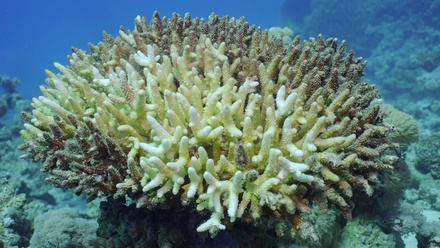
Marine heatwaves can lead to severe and persistent impacts on marine ecosystems. These include mass wildlife mortality events and damage to vital marine ecosystems on which local economies rely (e.g. fisheries). Internationally, severe marine heatwaves have been linked to coral bleaching events and harmful algal blooms, which have led to impacts on fisheries, tourism and loss of key species (Spillman et al. 2026).
In the UK, despite significant gaps in our understanding, emerging impacts have been linked to harmful algal blooms, high levels of pathogenic Vibrio species and seagrass mortality during habitat restoration. Most notably a common octopus bloom along the South coast of Devon and Cornwall has had both positive and negative effects on the local fishing industry (Stewart et al 2026).
Operations in the underwater environment for other maritime users, such as the military and the energy sector can also be affected. Marine heatwaves have also been shown to interact with weather conditions to make land heatwaves hotter and storms more intense.
There are challenges in assessing the impacts of MHWs in UK seas due to an incomplete picture of how they affect ecosystems, fisheries and other sectors. Our understanding of the ocean under the sea-surface and in shallower shelf seas is limited as there is insufficient monitoring to collect data to improve our knowledge of this vast environment. Knowing what is in the sea is crucial to understand change and enable development of appropriate adaptation measures and we need to improve monitoring and enable access to existing data for both physical and environmental variables.
To proactively manage impacts and adapt to MHWs, it is essential that we can predict MHWs on weather, seasonal and climate timescales and develop UK science capability to enable this. We also need strong partnerships across the organisations responsible for scientific research and operational responses.
This is beginning to take shape. Building and learning from the successful approach taken in Australia, the Met Office is developing prototype marine heatwave forecasts and is updating climate projections for future climate scenarios. A new UK & Ireland MHW Community of Practice has been established which brings together UK government agencies and science organisations to identify potential impacts from MHWs on ecosystem services, in-land extreme weather events and other marine and maritime sectors.
We need to adapt and we also need to reduce greenhouse gas emissions to prevent future extremes of marine heatwaves across the globe and to protect the health of our ocean.