What happened to marine life past the 1.5°C threshold?
Analysis of how marine ecosystems responded during the first year when global temperatures temporarily exceeded 1.5°C above pre-industrial levels suggests ocean heat damage is not just a summer issue
New research, published in One Earth, analysed around 200 ecological impacts documented worldwide and found that ocean heat damage is no longer just a summer problem. The comprehensive study by researchers at the King Abdullah University of Science and Technology (KAUST), unveiled impacts like coral bleaching and habitat disruption in the year when temperatures temporarily breached the 1.5°C threshold.
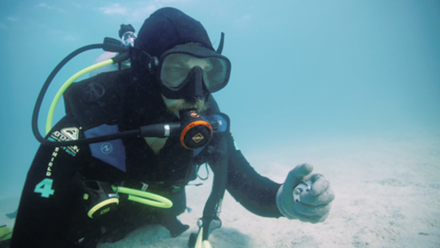
“2023–2024 was an exceptional climate anomaly rather than a world permanently stabilised at 1.5°C warming,” says lead author Dr Shannon Klein, KAUST research scientist. “However, average global ocean temperatures during this period were close to those expected in a stabilised 1.5°C climate. This gives us a real-world test of the kinds of impacts we may see at this level of warming.”
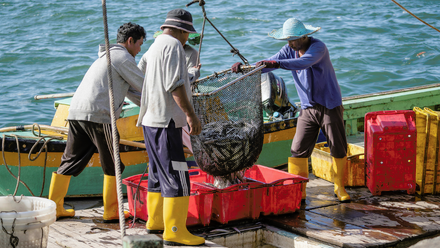
For fisheries and aquaculture industries, these implications are significant. “Around 20% of the events we documented affected ecosystems, fisheries or aquaculture in ways linked to food production. These included deaths of commercially important and farmed species, shifts in where species occur, reduced productivity and wider disruption to marine food systems,” she says.
Increased warming can put more pressure on seafood production and fisheries as well as the coastal communities that depend on them.
Mass mortalities and habitat impacts
Surprisingly, many impacts happened in seasons outside of summer. Assessing only summer heat extremes in isolation appears to miss a major part of the story, particularly when ecological processes are ignored.
According to Dr Klein, nearly a third of the impacts documented outside the tropics actually happened in cooler parts of the year. “These included mass mortality of commercially important fish and shellfish, habitat loss and breeding failure in ice-dependent species, harmful algal and pest outbreaks, and wider food-web impacts such as starvation of seabirds, penguins and seals,” she says.
This reflects the intricate link between ocean temperature and marine life, as “marine species undergo distinct biological processes throughout the year, including breeding, spawning, migration, and periods of rapid growth. Extreme warmth outside summer can therefore disrupt sensitive life stages or seasonal processes that may be critical for population survival and recovery.”
The team also found that the timing of other hazards mattered, such as extreme weather events combined with unusually warm seas that mainly happened in summer and autumn. However, throughout the year, ocean heat coincided with other hazards like low oxygen.

Marine ecosystems are impacted even outside of summer
The research demonstrates the importance of comprehensive research such as exploring potentially overlooked impacts or time periods. The value of looking beyond the periods traditionally considered high risk is one of the main messages of the study.
“Many monitoring programs operate year-round, but research, surveillance and management responses can still be weighted towards seasons when extreme heat is most expected,” says Dr Klein. “Our findings show why it is important to consider the full annual cycle. Impacts can occur outside these high-risk periods, and their consequences may depend on the biological processes underway at the time and on whether heat coincides with other pressures.”
Expanding an awareness of warming impacts in less obvious periods could improve risk assessment, early warnings and management responses. Collaboration and discussion are also hallmarks of preparation for ecological disruption and impacts on industries.
Mark Calverley, founder of Blue Ocean Consulting, says that “the different communities involved in using or protecting the marine environment cannot work in isolation. Knowledge exchange is critical to ensuring an understanding of human impacts on the marine environment and environmental impact on human activities.”
Collaborative contributions are actively welcomed at the Marine Mammals Special Interest Group and the Operational Oceanography SIGs at IMarEST.
Tell us what you think about this article by joining the discussion on IMarEST Connect.
Main Image: Bleached corals in Red Sea, Egypt. Credit: Shutterstock
Inline image: Dr Shannon Klein, KAUST research scientist. Credit: Dr Klein