Offshore wind: navigating critical supply chain risks
Offshore wind has become a cornerstone of the global energy transition, offering large scale renewable electricity generation and supporting ambitious net zero targets. But can the supply chain keep up?
Governments and developers around the world are investing heavily in new offshore wind capacity to enhance energy security and reduce carbon emissions. However, the rapid expansion of the sector has exposed several critical supply chain risks that threaten project delivery, cost competitiveness, and long-term industry growth. Understanding these risks is essential for developers, investors, policymakers, and suppliers seeking to ensure the successful deployment of offshore wind projects.
Concentration risk: rare earth minerals
One of the most significant supply risks facing the offshore wind industry is the concentration of rare earth minerals processing, which can create vulnerability in the supply chain. Modern offshore wind turbines, particularly those using permanent magnet generators, rely on rare earth elements such as neodymium and dysprosium. These materials are critical for producing high-performance magnets that improve turbine efficiency and reliability.
Commodity pricing: exposure to price volatility
Another major challenge is the volatility of steel and copper prices. Offshore wind projects require enormous quantities of steel for foundations, towers, transition pieces, and offshore substations. Copper is equally important for power cables, generators, transformers, and grid connection infrastructure. Fluctuating commodity prices can significantly affect project economics. Sudden increases in steel or copper prices can raise capital expenditure beyond initial budgets, particularly for projects that have fixed price power purchase agreements or government contracts. Since offshore wind projects often require years of development before construction begins, developers are particularly exposed to commodity market uncertainty.
Long lead times for critical components
The industry also faces long lead times for specialty forgings and castings. Critical turbine components, including main shafts, bearings, nacelle housings, and large structural elements, require specialized manufacturing processes that are available from a limited number of suppliers worldwide. The increasing size of offshore wind turbines, many of which now exceed 15 MW in capacity, has further increased demand for these complex components. Manufacturing bottlenecks can extend lead times from several months to multiple years, creating significant scheduling challenges for developers who must coordinate vessel availability, installation windows, and grid connection deadlines.
Competition
A further supply risk comes from increasing competition from other energy transition industries. Offshore wind is no longer the only sector seeking access to critical materials, manufacturing capacity, and skilled labour. Electric vehicle production, battery manufacturing, solar energy, hydrogen infrastructure, and power transmission projects all compete for the same resources. As these industries expand simultaneously, competition intensifies for steel, copper, rare earth elements, semiconductors, and engineering expertise. This growing demand can create shortages, increase prices, and limit the availability of essential equipment.
Impacts: increased costs, delay and investment risk
The most immediate impact of supply chain risks is project cost escalation. Material shortages and rising commodity prices can significantly increase the cost of turbines, foundations, cables, and electrical equipment. Since offshore wind projects require large upfront investments, even modest price increases can translate into millions of pounds in additional expenditure. In some cases, developers may be forced to renegotiate contracts, seek additional financing, or reassess project viability.
Supply constraints can also lead to project delays. Long lead times for critical components may prevent developers from meeting construction schedules. Delays in receiving foundations, turbines, export cables, or substations can postpone installation activities, particularly because offshore construction is heavily dependent on seasonal weather conditions. Missing a suitable installation window may delay a project by several months or even a full year, resulting in higher costs and lost revenue.
Another important consequence is increased investment risk. Investors and lenders evaluate offshore wind projects based on predictable construction schedules and stable costs. Supply chain disruptions introduce uncertainty that can reduce investor confidence and increase financing costs. Projects facing procurement challenges may struggle to secure funding on favourable terms, particularly in competitive energy markets.
Grid connection and national renewable energy targets may also be affected. Governments worldwide are relying on offshore wind to meet decarbonisation commitments and improve energy security. If multiple projects experience delays due to supply shortages, planned capacity additions may not materialise on schedule. This can create energy supply gaps and slow progress toward climate objectives.
Supply risks can additionally lead to greater dependence on a limited number of suppliers. When critical materials or components are sourced from only a few manufacturers, developers may have reduced bargaining power and fewer alternatives in the event of disruption. This concentration risk can amplify the impact of supplier failures, production issues, or geopolitical events.
Mitigating supply chain risks
To reduce these vulnerabilities, industry stakeholders are pursuing several mitigation strategies. These include diversifying supply chains, investing in domestic manufacturing capacity, securing long-term procurement agreements, and supporting recycling initiatives for critical materials. Governments are also introducing industrial policies that encourage local production of key offshore wind components and reduce dependence on single-country supply sources.
Collaboration across the supply chain is equally important. Early engagement with suppliers, realistic project scheduling, and strategic inventory management can help developers anticipate constraints and improve resilience.
Tell us what you think about this article by joining the discussion on IMarEST Connect.
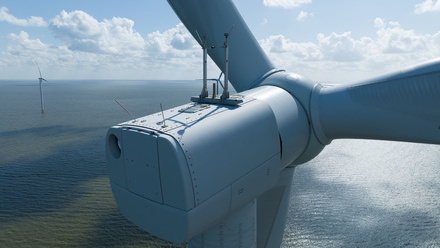
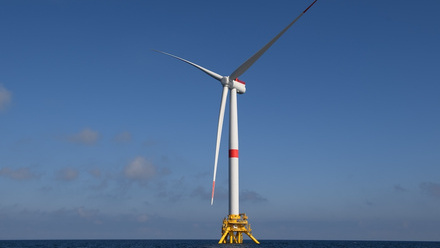
Main image: Offshore wind turbines
Credit: Shutterstock