Yacht safety culture: good on paper
A new survey highlights how the gap between procedures and practice undermines safety at sea, with fatigue management an area of concern
Safety in the yacht sector is being undermined by inconsistent leadership, variable safety priorities, and procedures that are not always followed in practice. Those are the findings of Lloyd’s Register’s Yacht Safety Culture and Wellbeing Survey, which gathered input from crew and shore-based professionals working across yachts over 24 metres.
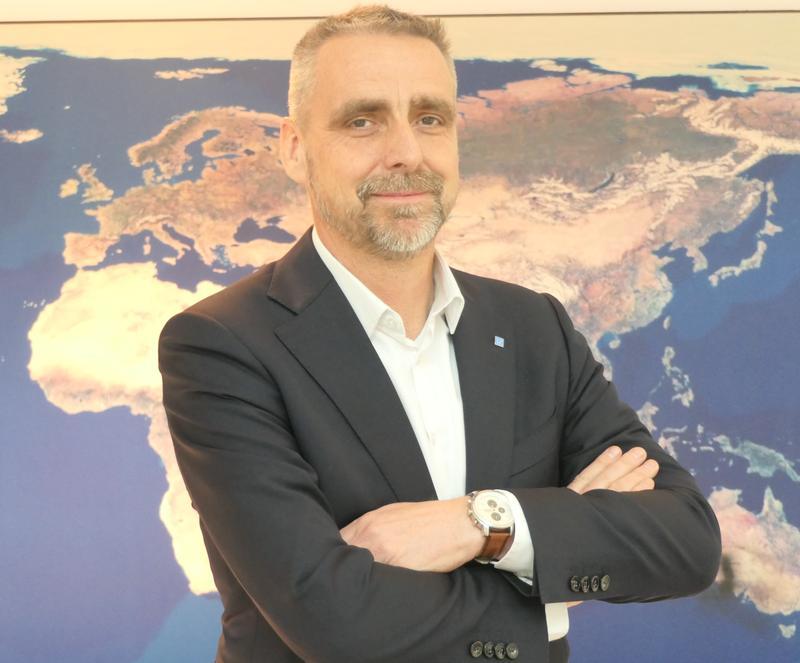
“There are strong, well-established foundations within the industry, including comprehensive procedures, checklists, and communication frameworks,” says Engel-Jan de Boer, Yacht Segment Director at Lloyd’s Register. “However, the principal challenge lies in the consistency and rigour with which these are implemented or, in certain cases, not implemented at all.”
Procedure, practice, and trust
Fatigue management is one of the clearest places where the gap between procedures and practice shows up. Where fatigue is not managed, the potential for unsafe behaviours rises.
“It’s easy to say fatigue is an individual’s responsibility, but in practice it’s far more complex to recognise and manage effectively,” says Stephanie McLay, Human Factors Advisory Team Lead at Lloyd’s Register. “It’s a wider organisational design issue rather than at an individual level.”
That means looking at how work is planned, resourced and prioritised. McLay says there are mitigation options, including “protected rest windows” and clearer task prioritisation, but these have to sit within a wider culture where crew can raise concerns before fatigue becomes a safety issue. As McLay notes, “Where people don’t feel that they will be able to speak up, they won’t necessarily speak up.”
That reluctance has wider implications. Crew may spot other risks, but “where they feel there is a risk of a negative consequence from pushing back or suggesting something different, they’re less likely to [speak up],” says McLay.
“At the core of this issue lies trust – extending beyond the confines of the yacht itself,” says Engel-Jan de Boer. “Where yacht management companies, owners, or other stakeholders are involved in safety processes and systems, any deficiency in establishing, managing, or maintaining trust will ultimately undermine confidence. In such environments, individuals are less likely to engage fully with safer behaviours, leading to a breakdown in their effective adoption.”
For de Boer, leadership inconsistency, particularly ethical leadership issues, is one of the major contributing factors eroding trust and weakening yacht safety more broadly. He says that this is particularly reflected in what he describes as “a blame culture instead of a true safety culture” in the sector.
De Boer recalls being a panellist in a session on incidents and accidents at a conference. “There was a lot of discussion pointing fingers at captains and crew for incidents and accidents. Of course, they're part of the issue, but there is more to be looked into,” he says. “[Safety is] the entire industry's responsibility. It's the management companies, the owners...”
Cooperative for a fragmented sector
Change in the sector is not easy, especially given its fragmented nature. Each yacht can have its own working culture, operating model, owner expectations, management structure, and regulatory requirements.
“The only way to deal with that is to get a cooperative approach amongst the key stakeholders,” says de Boer, who plans to bring together underwriters, flag states, management companies, class societies, captains, and lawyers to find a way forward together.
Cooperation should also include sharing experiences across the sector – something McLay says is largely missing. “There is a fear of admitting something’s gone wrong and communicating that out because it also has a commercial consequence,” she says. Lessons often stay within one yacht or organisation, rather than helping the wider sector recognise patterns and proactively act.
The sector’s reported safety record may appear relatively strong, but de Boer cautions against complacency. Not every incident or accident is being captured, he says, leaving the sector with an incomplete picture. “What are we going to do? Wait for a large accident to happen? Or are we going to be proactive and start professionalising the industry.”
Interested in this content? Join our Superyacht Special Interest Group – new members always welcome
Tell us what you think about this article by joining the discussion on IMarEST Connect.
Main image: Two superyachts, St Tropez. Credit: Shutterstock
Inline image: Engel-Jan de Boer, Yacht Segment Director at Lloyd’s Register. Credit: LR