Iran conflict throws spotlight on seafarer health and wellbeing
The reality of seafarers’ wellbeing and working conditions in the Strait of Hormuz has often been overlooked, creating a need for more conversation and awareness. IMarEST CEO Chris Goldsworthy shares what companies can do to support seafarers in times of stress
Seafarers are the unsung heroes of maritime and world trade, yet 20,000 have been facing isolation and a threat to basic safety while trapped on 1,600 vessels in the Gulf due to the Iran-US conflict.
The recent signing of the interim Memorandum of Understanding (MOU) between the US and Iran may offer hope and relief for many seafarers, but concerns remain. While the Joint Maritime Information Centre has downgraded the shipping risk rating to ‘Substantial’, they warn that hazards remain for seafarers, from unexploded mines and active naval surveillance. Uncertainty lingers about how long it will take for vessels to transit out of the region, adding to the anxiety at sea.
“Isolation is a huge challenge for seafarers,” said Chris Goldsworthy, CEO of IMarEST, reflecting on the reality of stressors at sea. “I’ve seen this with my own eyes during my time at sea and heard many first-hand accounts from mariners across the profession. Seafarers can spend months away from family and support networks, often in demanding operational environments. It’s a sobering thought that, according to Gard’s 2025 Crew Claims Report, 2025 was the first time in maritime history that fatalities at sea were higher from suicide than accidents.”
He pointed out that communication barriers, such as limited connectivity onboard or time zone differences, can intensify feelings of loneliness. “It’s crucial that we support seafarers with their mental health, which is something the IMarEST is prioritising,” said Goldsworthy, highlighting the recent publication of the IMarEST’s Mental Health at Sea guide for ship managers.
How can companies support seafarers in times of stress?
Whether in a time of crisis or not, company leaders need to find ways to support seafarers under stress. “Shipping is a people-led business, and in times of difficulty or crisis, the role of leadership is critical,” said Chris Goldsworthy. “Companies must move beyond just complying with the rules, to a place where crews truly feel supported and valued.
“Leaders can start with implementing practical measures, such as reliable access to communication, so seafarers can stay connected to their loved ones. But good leadership should also create cultures, onboard and ashore, where individuals feel safe to speak up and where masters, chief engineer officers, and senior officers are trained to be able to recognise and respond to signs of stress or fatigue within their teams.”
IMO Council condemned threats
IMarEST CEO Chris Goldsworthy attended the IMO Council session in March, which sent out a clear message in condemning the recent attacks and threats towards merchant vessels in the Strait of Hormuz, which has even resulted in loss of life.
Between 28 February 2026 and 15 June 2026, the United Kingdom Maritime Trade Operations (UKMTO) received 58 reports of incidents affecting vessels operating across the Arabian Gulf, Strait of Hormuz (SOH), and Gulf of Oman.
Lack of awareness for seafarers’ stressors
While some media outlets did highlight the “impossible” situation for seafarers during the conflict, their plight was largely under-represented in reporting, pointing to a need for more awareness.
“I’d like to see consistently transparent communication from shipping companies and Flag States about the risks to seafarers and the measures being taken to protect crews. Equally, it is important that media coverage reflects the experiences of seafarers in the Strait of Hormuz, who just want to return home safely,” Chris Goldsworthy said.
“As an industry body, the IMarEST has a role to play in sharing accurate and timely information about the challenges crews are encountering. We must engage with international institutions to keep maritime safety high on the global agenda.”
Even if the geopolitical tide is about to turn, the conflict was another reminder of the importance of not forgetting seafarer wellbeing and safety - and the responsibility leaders have in supporting them. Seafarers have rights to be safe and to have their wellbeing and security advocated, and the full protection of navigational rights under international maritime law.
Tell us what you think about this article by joining the discussion on IMarEST Connect.
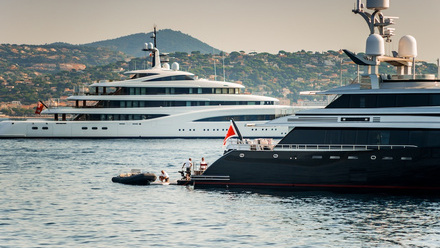
Image: Ships, Iran, March 2026. Credit: Somkanae Sawatdinak/Shutterstock