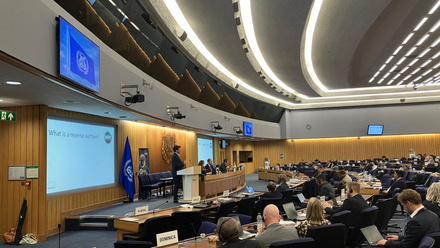
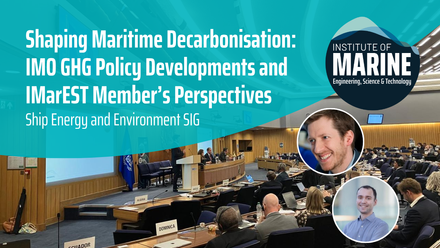
Alasdair Wishart, our director of technical and policy, shares his insights from the IMO's Intersessional Working Group on Reduction of GHG Emissions from Ships.
The Institute is urging International Maritime Organization (IMO) member states to use its latest analysis as they work towards agreement on a Net-Zero Framework (NZF) for international shipping.
The Institute has launched an industry consultation on the International Maritime Organization’s (IMO) 2023 GHG Strategy, focusing on the implementation of its short-term measures and the development of proposed mid-term measures. The outcomes of the consultation will help ensure the Institute's contribution to the ongoing negotiations reflects the expertise of its members, as well as the wider marine community.
Feedback on the IMO 2023 GHG Strategy, including practical experience with CII and SEEMP, priorities for short-term efficiency measures, and the transition to net-zero shipping.
Ahead of next week’s meeting of the IMO’s MEPC84, the IMarEST has set out proposals to ensure the Net Zero Framework (NZF) is scalable, practical to deliver, and reduces investment risk.
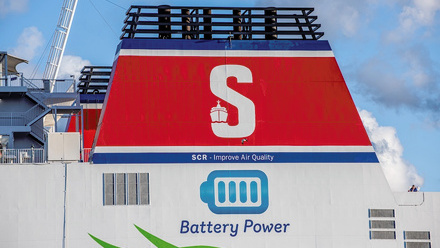
As shipping continues its decarbonisation journey, maritime batteries are gaining traction as a low-emission propulsion solution. But alongside growing interest comes increasing scrutiny of their safety challenges. Amy McLellan updates on the latest considerations of the Marine Electrical Special Interest Group about the safety of maritime batteries
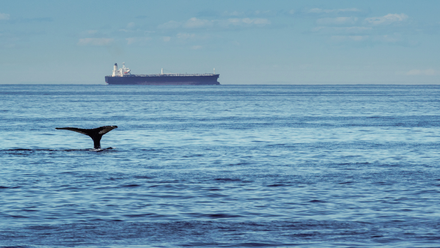
A new white paper released today by the IMarEST in collaboration with Whale Seeker and True North Marine uses a case study to illustrate how vessel speed optimisation has potential to protect marine mammals, whilst saving fuel and reducing carbon emissions.
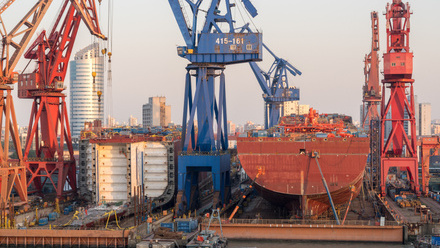
Major global shipbuilding nations China, South Korea and Japan are expected to continue their market dominance, but the likes of India and United States are actively playing catch-up
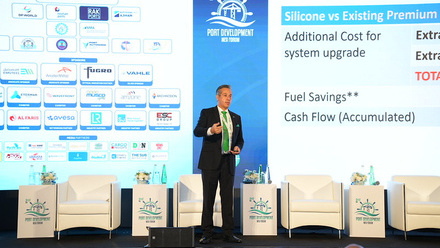
At the Port Development MEA Forum organized by Great Minds Event Management, Nikeel Idnani, Hon. Secretary of the IMarEST UAE Branch, delivered an engaging presentation titled “Coating the Voyage to Profitable Decarbonization.”