The outcome of the IMO’s latest discussions could shape the pace of shipping’s decarbonisation, with competing proposals raising questions over emissions targets, investment incentives and the future of the Net-Zero Fund.
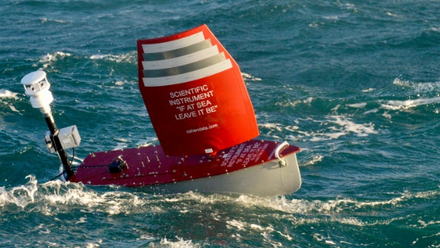
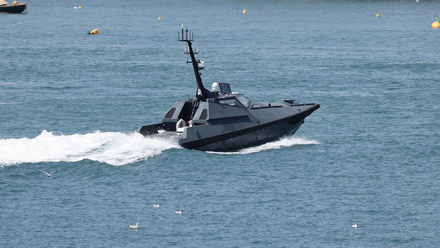
After 16 years of failed attempts, a British-built robotic sailboat has become the first to cross the Atlantic entirely autonomously, marking a milestone for unmanned maritime technology.
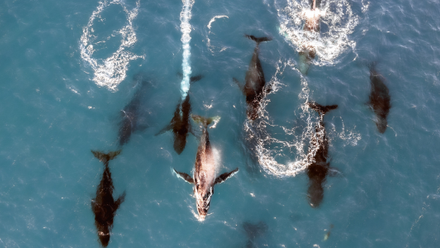
Hydrophones, aircraft, satellites and seabed cameras generate more data than scientists can review by hand. From real-time orca alerts to plankton counts at sea, AI is speeding up the analysis.
Canadian researchers have developed a rating system that measures vessels’ underwater noise during normal operations and compares each ship with others of its type, giving owners a clearer route to quieter shipping.
Onboard carbon capture could help existing ships cut emissions, but fitting it to vessels never designed for it raises hard questions about space, stability, energy and delivery.
Artificial intelligence (AI) is accelerating marine system innovation, but its value relies on strong engineering governance, structured data and clear processes
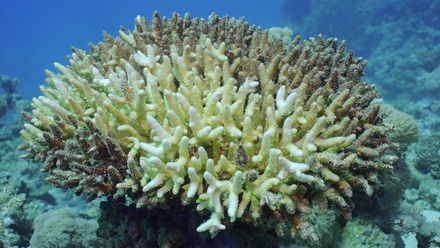
Analysis of how marine ecosystems responded during the first year when global temperatures temporarily exceeded 1.5°C above pre-industrial levels suggests ocean heat damage is not just a summer issue
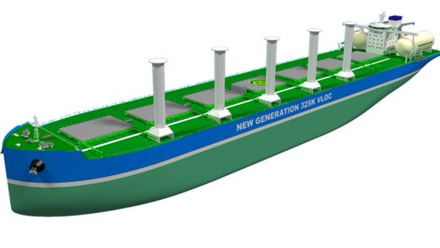
Extraction industries seeking to reduce their Scope 3 emissions are looking to maritime for help. Could new ethanol-powered Guaibamax vessels play a role?
Aberdeen’s first steam-powered fishing vessel was an unsuccessful experiment. Yet within 15 years, steam had begun to transform the city’s fishing fleet, bringing prosperity to local shipbuilders and changing the way fishermen worked.
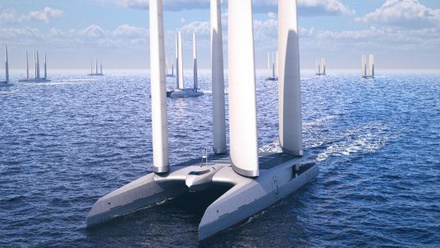
Offshore wind, tidal power and wave energy are familiar parts of the renewable-energy landscape. Now a new concept has emerged – autonomous energy-harvesting ships, designed to sail into the open ocean, harvest energy from the wind and return carrying green fuel.