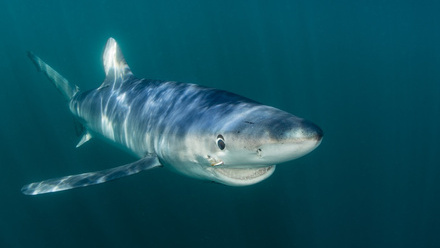
Analysis of how marine ecosystems responded during the first year when global temperatures temporarily exceeded 1.5°C above pre-industrial levels suggests ocean heat damage is not just a summer issue
Artificial intelligence (AI) is accelerating marine system innovation, but its value relies on strong engineering governance, structured data and clear processes
Extraction industries seeking to reduce their Scope 3 emissions are looking to maritime for help. Could new ethanol-powered Guaibamax vessels play a role?
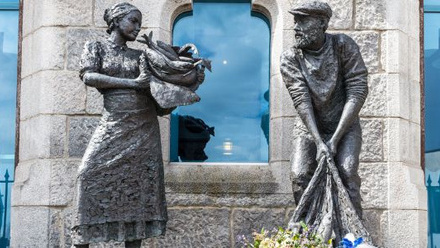
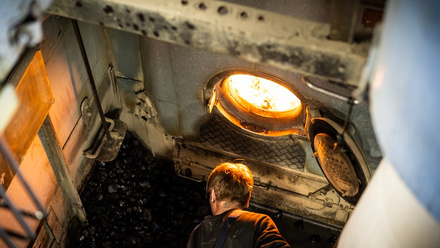
Aberdeen’s first steam-powered fishing vessel was an unsuccessful experiment. Yet within 15 years, steam had begun to transform the city’s fishing fleet, bringing prosperity to local shipbuilders and changing the way fishermen worked.
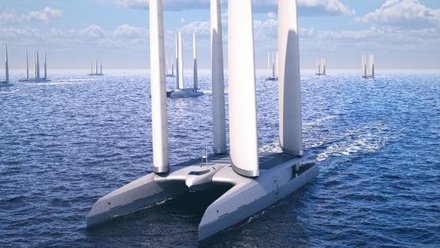
Offshore wind, tidal power and wave energy are familiar parts of the renewable-energy landscape. Now a new concept has emerged – autonomous energy-harvesting ships, designed to sail into the open ocean, harvest energy from the wind and return carrying green fuel.
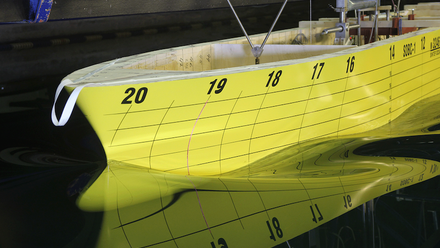
Models for calculating hull wave resistance are often designed for traditional merchant vessels, which may not always be accurate for more specialised vessels, such as PSVs. A new AI tool developed in Norway aims to fix that
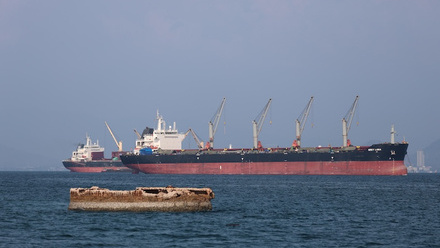
The reality of seafarers’ wellbeing and working conditions in the Strait of Hormuz has often been overlooked, creating a need for more conversation and awareness. IMarEST CEO Chris Goldsworthy shares what companies can do to support seafarers in times of stress
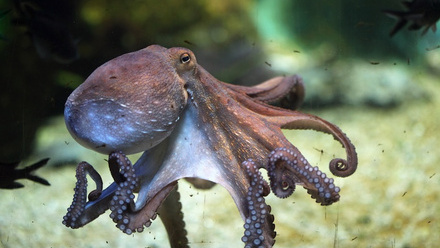
The octopus lifestyle of ‘live fast, die young and make lots of babies’ mean their populations respond quickly to a changing environment. How fisheries respond remains to be seen
As Norway experiments with adaptable towing solutions ahead of new SOLAS requirements for emergency towing on non-tankers, we speak to Terje Våge, Lead Naval Architect at Ulstein, about how naval architects can prepare for the new rules
The UK’s seafaring community faces declining numbers, mounting welfare pressures and a growing recruitment crisis — raising concerns over the future resilience of Britain’s maritime industries
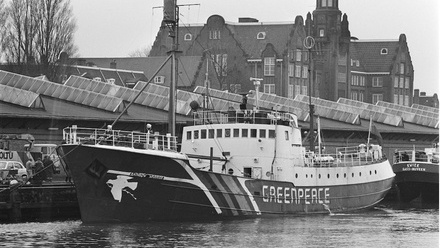
From an Aberdeen research ship to an idling rust bucket to a symbol of environmental crusading, the Rainbow Warrior is a little ship that made a big impact
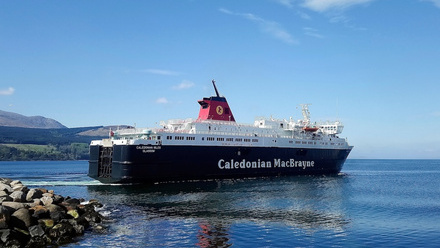
Ferries are not just for holidays. Indeed, for island communities and some remote mainland communities they are a vital lifeline, underpinning everything from access to essential services to the movement of goods and people - not to mention being key to resilient supply chains
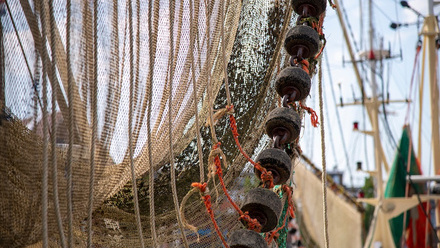
Bottom trawling remains one of the world’s most efficient fishing methods, but mounting evidence suggests its environmental damage - from habitat destruction to carbon emissions - comes at a far greater cost than its economic returns